Blog
ATV Tires: What Actually Matters

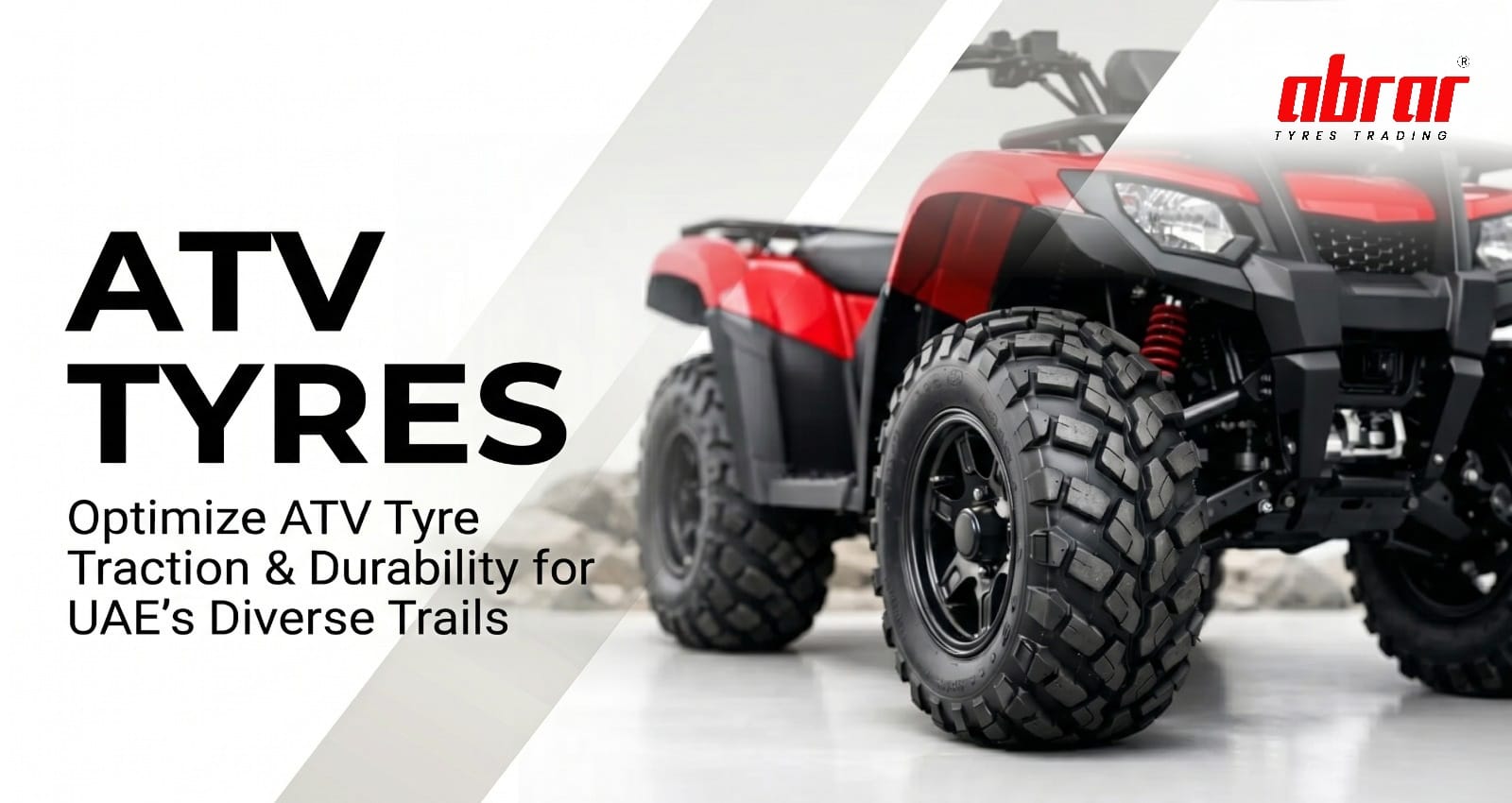
An ATV can feel planted and predictable on one trail, then vague and hard to control on another, even with the same rider and machine. In many cases, the difference comes down to tires. Tread pattern, construction, size, and inflation all affect how your ATV handles sand, dirt, rocks, mud, and hard-packed ground.
That is why choosing ATV tires should never be treated as a simple size match. The right setup improves traction, braking, ride comfort, and durability. The wrong one can wear quickly, reduce control, and put extra strain on steering and suspension.
Why ATV tyre choice matters more than most riders think
ATV tires do more than roll. They are the contact point between your machine and constantly changing terrain. On loose surfaces, they need to bite and clear debris. On harder ground, they need to stay stable without wearing too fast. On mixed terrain, they need to balance grip with predictable handling.
This is where many buyers get caught out. A tire that looks aggressive is not always the best choice. Deep lugs may work well in mud, but they can feel rough and less stable on compact surfaces. A smoother all-terrain pattern may give better everyday control, but it will not pull through deep mud the same way. The best tire depends on how the ATV is actually used.
For working ATVs, durability and load support usually matter just as much as traction. If the vehicle is used on farms, worksites, or utility routes, puncture resistance and long wear can be more important than maximum off-road bite. For recreational riding, steering response and terrain-specific grip often move higher on the list.
Start with how the ATV is used
Before comparing brands or tread patterns, it helps to be honest about the job. Some riders want a tire that can do everything, but every tire involves trade-offs.
If the ATV spends most of its time on sand, a wider footprint and tread that supports flotation can make a big difference. In mud, more open tread spacing helps the tire clean itself and keep pulling. Rocky terrain often calls for stronger construction and better puncture resistance. If the machine is used on mixed ground, an all-terrain pattern is often the safest choice because it delivers more balanced performance.
Utility users should also consider towing, carrying loads, and daily operating hours. A tire that works well for occasional weekend riding may not hold up the same way under repeated commercial use. For buyers managing multiple machines, consistency matters too. Choosing a dependable tire across the fleet can simplify maintenance and replacement planning.
Understanding ATV tire size without overcomplicating it
ATV tire sizing can seem technical at first, but the basics are straightforward. A typical size tells you the tire height, width, and rim diameter. Those numbers need to match your wheel and fit within the ATV’s design limits.
Changing size is possible, but it should be done carefully. A taller tire may improve ground clearance, but it can also affect acceleration, steering feel, and gear performance. A wider tire may increase stability in some conditions, but it can also add steering effort and create fitment issues. Clearance around suspension and bodywork is another practical concern.
For most buyers, staying close to the manufacturer’s recommended size is the safest route unless there is a clear reason to change. If the ATV is used in a specific terrain where a different setup offers a real advantage, that change should still be based on fitment, load needs, and expected handling.
Tread pattern for ATV performance
Tread design is one of the biggest performance factors, and it should match the terrain rather than personal preference alone.
All-terrain ATV tires
All-terrain tires are the most versatile option for many riders. They work well on dirt, gravel, hard-packed trails, and light mud. They usually offer more predictable steering, a smoother ride, and more even wear than highly specialized patterns. If the ATV sees varied conditions, this category often gives the best overall value.
Mud ATV tires
Mud tires use deeper, more aggressive lugs with wider spacing. That design helps them dig in and clear sticky surfaces. The trade-off is that they can feel heavier, louder, and less refined on firm ground. They may also wear faster if used regularly on hard surfaces.
Sand-focused ATV tires
Sand tires are built for flotation and forward drive in soft terrain. They can transform performance in dunes and loose sand, but they are specialized. Outside that environment, they are not usually the best choice for general use.
Hard-terrain and utility patterns
Some ATV tires are built more for durability and controlled wear than extreme off-road grip. These are often a smart option for work vehicles used in farms, compounds, or industrial areas where reliability matters more than aggressive trail performance.
Bias or radial construction
Construction matters just as much as tread. Bias-ply tires tend to have stiffer sidewalls and are often valued for toughness in rough working conditions. They can be a strong choice for utility applications and demanding terrain where resistance to cuts and impacts is important.
Radial tires usually offer a smoother ride and a larger, more consistent contact patch. Many riders prefer them for better comfort and handling, especially over longer distances or mixed terrain. They can be ideal for recreational use where ride quality and steering precision matter.
Neither type is automatically better. It depends on the machine, the terrain, and whether the priority is rugged durability or ride comfort and control.
Load, pressure, and wear are connected
Even a quality tire can disappoint if it is not carrying the right load or running at the right pressure. Overloading creates heat, stress, and faster wear. Underinflation can make steering feel sluggish and increase the chance of sidewall damage. Overinflation can reduce grip and make the ride harsh.
ATV tyres often run at lower pressures than road vehicle tires, but that does not mean pressure should be guessed. Small changes can noticeably affect traction and stability. Riders who switch between sand, rocky surfaces, and harder ground may benefit from adjusting pressure based on use, but only within safe limits.
Uneven wear can also tell you a lot. If one tire wears faster than expected, it may point to inflation issues, alignment problems, riding style, or repeated operation under load. Catching that early helps avoid unnecessary replacement costs.
When to replace ATV tires
Some owners wait until a tire is almost unusable before replacing it. That usually costs more in the long run because poor traction and damaged casings affect safety, control, and machine performance.
Replace ATV tires when tread is badly worn, traction has clearly dropped, or the tire shows cuts, cracks, punctures, bulges, or repeated air loss. Age matters too. Even if tread remains, rubber can harden over time, especially in harsh conditions and heat.
For commercial or heavy-use ATV applications, regular inspection should be part of standard maintenance. Downtime caused by tire failure is rarely convenient, and it is often avoidable.
Choosing value, not just price
Low price gets attention, but value is what matters. A cheaper tire that wears out quickly or performs poorly on your terrain is not a saving. A better tire with the right construction and tread may last longer, perform more consistently, and reduce replacement frequency.
This is especially important for buyers running working ATVs. The right tire helps protect uptime, reduces disruption, and supports safer operation. For individual riders, it means fewer compromises and more confidence every time the ATV leaves the ground surface it knows best.
A supplier with strong stock depth and practical product knowledge can make a big difference here. Instead of buying based on appearance alone, you get guidance based on size, application, and expected conditions. That is usually the fastest route to a tire that actually fits the job.
Professional fitting still matters
ATV tires may be smaller than many commercial applications, but correct fitting is still important. Poor installation can damage the tire, affect bead seating, or create balancing and pressure issues. If the ATV is used frequently or carries loads, proper fitting becomes even more important because small installation mistakes can turn into bigger operating problems.
This is one reason many buyers prefer dealing with a full-service tyre supplier rather than buying on product price alone. Expert support, correct fitment, and aftersales service all help reduce guesswork. For customers who want dependable options backed by real experience, Abrar Tyres supplies a wide range of ATV tires along with professional tyre services that help get the setup right from the start.
The best ATV tire is not the one with the most aggressive look or the lowest price. It is the one that matches your terrain, your workload, and the way your machine is actually used. Get that right, and every ride feels more controlled, more efficient, and a lot less expensive over time.