Blog
How to Select Truck Tyres for Real Work

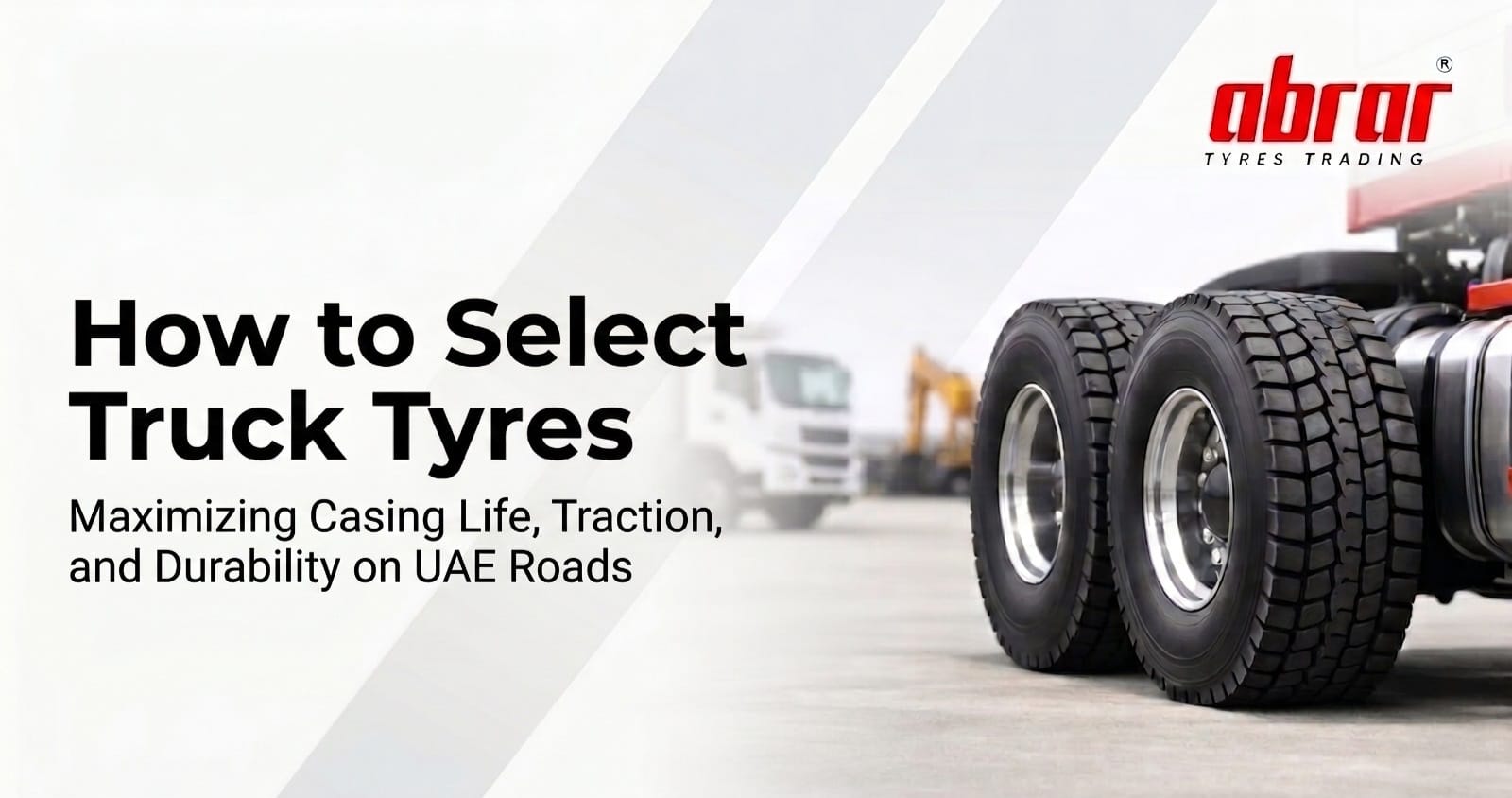
A truck that spends its life on highways needs a very different tyre from one hauling loads through construction zones, port yards, or mixed city routes. That is why knowing how to select truck tyres is less about picking a popular brand and more about matching the tyre to the job, the load, and the operating conditions.
Buy the wrong tyre and the cost shows up fast – uneven wear, poor grip, heat buildup, sidewall damage, and more downtime than your operation can afford. Buy the right one and you get better mileage, steadier handling, safer braking, and a more predictable cost per kilometer. For owner-operators, fleet managers, and procurement teams, that difference matters every day.
How to select truck tyres starts with the job
The first question is simple: what work does the truck actually do? Not what it does occasionally, but what it does most of the time. A long-haul truck running mostly paved roads has different demands from a tipper working on rough ground, and a delivery truck stopping constantly in urban traffic has different wear patterns from both.
If your trucks run highway routes, you generally want tyres built for low rolling resistance, stable handling, and long, even wear. If they operate in regional or mixed service, durability and traction become more important. If they work off-road, on construction sites, or in industrial areas, casing strength and cut resistance move much higher on the priority list.
This is where many buyers lose money. They choose a tyre that looks tough enough, but it is designed for the wrong duty cycle. A highway tyre on harsh surfaces can wear or fail early. A heavy off-road pattern used mainly on paved roads may create more rolling resistance, more noise, and less fuel efficiency. There is no single best truck tyre for every use case.
Check the tyre size and load requirements first
Before comparing tread patterns or brands, confirm the exact tyre size and service requirements recommended for the vehicle and axle position. This includes the size marking, load index, speed rating, and ply rating or load range where applicable.
Load matters more than many buyers realize. A tyre may physically fit the wheel, but if it is not rated for the actual load being carried, you are creating risk. Overloading increases heat, accelerates wear, reduces casing life, and can lead to failure under pressure. For commercial trucks, that is not just a maintenance issue. It is an uptime issue and a safety issue.
It also helps to think in terms of real operating loads, not just empty vehicle weight. If the truck regularly carries heavy cargo, works in high temperatures, or runs long distances at speed, you need enough load capacity and durability to handle that reality consistently.
Axle position changes the right choice
Truck tyres are not interchangeable in purpose, even when the size is the same. Steer axle tyres are designed for precise handling, directional stability, and even wear. Drive axle tyres focus more on traction and torque transfer. Trailer tyres are built around stability, scrub resistance, and long service life under heavy loads.
Using the wrong tyre on the wrong axle can shorten tyre life and hurt performance. A drive-position tread on a steer axle, for example, may compromise handling and wear quality. When selecting tyres, always match the construction and tread design to the axle position.
Tread pattern affects grip, wear, and fuel cost
Tread is one of the most visible parts of a tyre, and one of the easiest to misunderstand. Deeper, more aggressive tread is not automatically better. It depends on where and how the truck operates.
For highway use, rib-pattern tyres often deliver strong straight-line stability, lower rolling resistance, and better fuel economy. For drive axles in mixed conditions, lug or block patterns can improve traction, especially on loose or uneven surfaces. For severe service, you may need a more aggressive design with stronger resistance to cuts, chips, and impact damage.
There is always a trade-off. More traction-oriented patterns can wear faster on smooth roads or reduce fuel efficiency. Lower rolling resistance tyres can save fuel, but they must still be appropriate for the load and route. The best decision balances grip, casing protection, tread life, and operating cost.
Road conditions matter more than the catalog description
A tyre may be marketed for commercial use, but the real question is whether it can handle your roads. In the UAE and similar operating environments, trucks may face long high-temperature runs, smooth highways, rough service roads, construction access routes, and repeated curb contact in urban delivery work.
Heat is a major factor in tyre performance. High ambient temperatures and heavy loads increase thermal stress, which affects wear and durability. In harsh environments, tyre construction quality becomes critical. Stronger casings, reliable compounds, and consistent manufacturing standards can make a meaningful difference over time.
If your operation includes unpaved surfaces, debris, or frequent stop-start work, sidewall strength and resistance to impact damage should be part of the buying decision. If the route is mostly paved and distance-heavy, fuel efficiency and even tread wear may deserve more attention.
How to select truck tyres without chasing the lowest price
Price matters, especially when managing multiple vehicles. But the cheapest tyre is often the most expensive one over its working life. The better comparison is cost per kilometer, not invoice price.
A lower-cost tyre that wears quickly, uses more fuel, or fails early can increase your total operating cost. A better-quality tyre may cost more upfront but deliver longer service life, better retread potential where relevant, and fewer interruptions. For fleets, those savings add up across every axle and every route.
This does not mean the highest-priced tyre is always the right choice either. Some premium options are worth the investment for demanding operations. In other cases, a mid-range tyre from a trusted brand can offer excellent value if it matches the application properly. The smart buy is the tyre that performs reliably for your specific use, not the one with the most aggressive sales pitch.
Brand quality, authenticity, and support all matter
Truck tyres are not just a product purchase. They are part of an operating system that includes fitting, balancing where applicable, inflation management, rotation planning, and ongoing inspection.
That is why supplier quality matters. Authentic tyres from recognized brands give you greater confidence in performance consistency, load handling, and safety. Expert fitting also reduces the chance of early problems caused by incorrect installation, poor inflation practices, or missed compatibility issues.
For business buyers, stock availability matters too. A supplier with broad inventory and practical product knowledge can help you standardize across a fleet, replace tyres faster, and reduce costly vehicle downtime. For example, experienced retailers such as Abrar Tyres support both retail and commercial buyers with a wide range of truck and industrial tyre options, plus installation and workshop services that help keep vehicles moving.
Don’t ignore maintenance when choosing tyres
Even the right tyre will underperform if the truck has alignment issues, incorrect air pressure, overloaded axles, or irregular rotation practices. Good tyre selection and good tyre maintenance work together.
If a truck is known for uneven wear on one axle, it makes sense to fix the root cause before expecting better tyre life from a new set. If drivers are not checking inflation regularly, a premium tyre will still lose lifespan. If routes involve repeated sidewall impacts, operating practice may need attention as much as tyre specification.
In other words, tyre selection should reflect how the vehicle is maintained in the real world. Buyers who account for maintenance conditions usually make better, more durable choices.
A practical way to make the right decision
If you want a reliable buying process, keep it simple. Start with the vehicle specification and axle position. Then look at the actual load, route type, road surface, and operating environment. After that, compare tread pattern, casing strength, expected wear life, and cost per kilometer. Finally, buy from a supplier that can confirm fitment, provide authentic stock, and support installation properly.
That process works for single-truck owners and large fleets because it focuses on real operating needs rather than guesswork. It also helps avoid two common mistakes: overbuying for conditions you rarely face, and underbuying for conditions that damage tyres every week.
The right truck tyre should earn its place on the vehicle. It should carry the load safely, handle the route confidently, and give you dependable value over time. If you choose with the job in mind, not just the price tag, you give your truck a better chance to stay productive where it counts – on the road, not in the workshop.