Blog
ATV & Off-Road Tire Selection Guide for UAE Riders

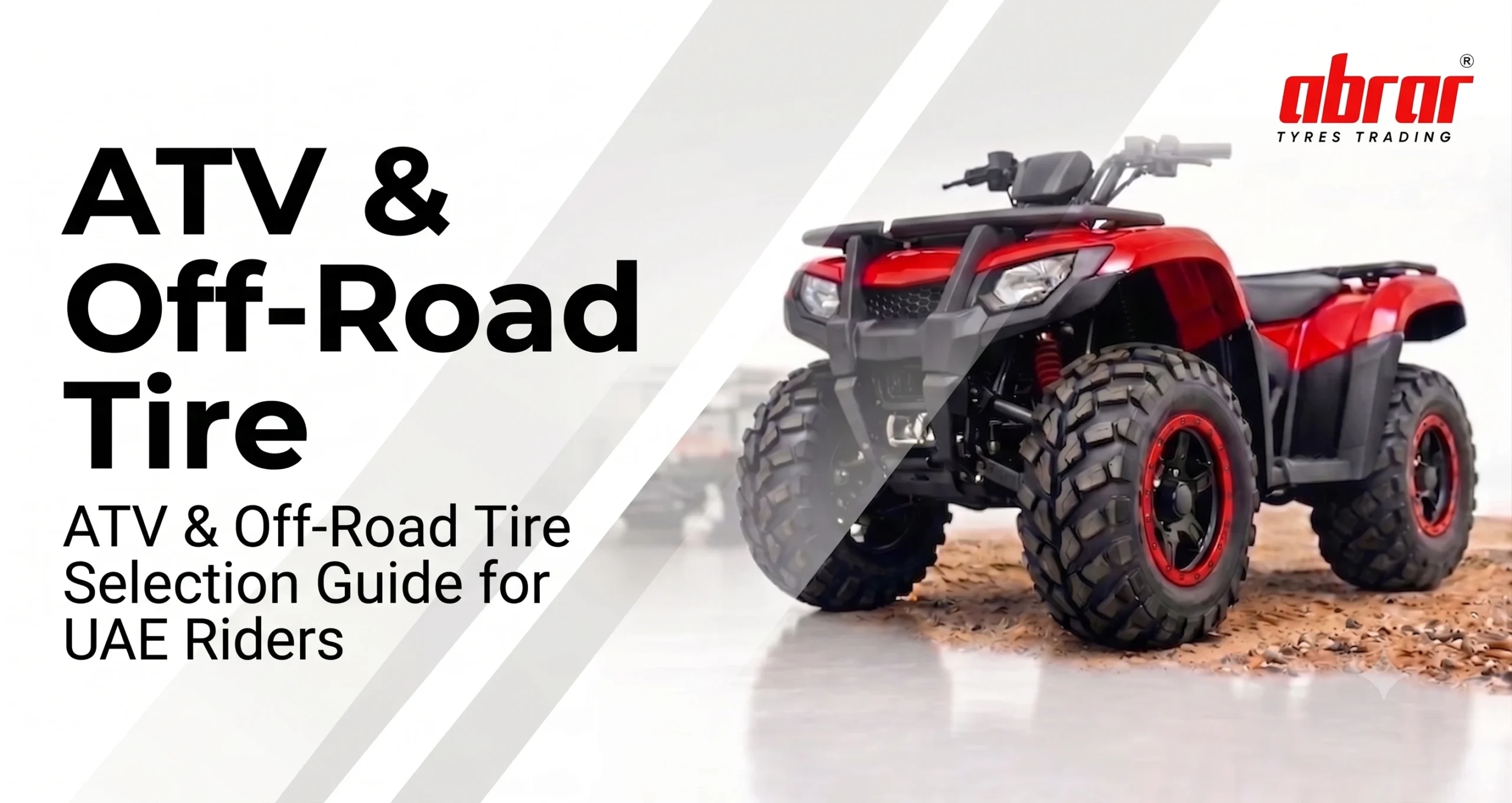
A tire that feels unstoppable on a soft dune can become harsh, noisy, or hard to control on rocky ground. That is why this ATV & off-road tire selection guide starts with where and how you ride, not with the most aggressive-looking tread on the shelf. The right tire improves traction, steering control, ride comfort, and durability. The wrong one can waste power, wear quickly, and leave you stuck when the terrain changes.
For UAE riders and worksite operators, tire choice is especially important. Sand, heat, loose gravel, compacted tracks, and heavy utility loads place very different demands on an ATV or side-by-side. A practical selection balances performance with the vehicle manufacturer’s limits, your typical load, and the service support available when it is time for fitting or replacement.
Start With Your Real Terrain
The best off-road tire is rarely the one designed for every surface. Be honest about the ground your vehicle sees most often. A weekend ATV used mainly in desert dunes needs a different tread from a UTV carrying tools around a farm, camp, warehouse yard, or construction site.
- Soft desert sand: Choose a tire with a wide footprint, lighter carcass, and paddle-style or open, scoop-shaped tread. These designs float over loose sand and reduce digging, helping the vehicle maintain forward momentum.
- Mixed desert and hardpack: Look for an all-terrain tire with spaced tread blocks and a moderately aggressive pattern. It should clear loose material while maintaining predictable steering on firmer tracks.
- Rock, gravel, and rough trails: A stronger sidewall, deeper lugs, and tougher puncture resistance matter more than maximum flotation. The tire needs to resist cuts and protect the rim at lower operating pressures.
- Worksites and utility use: Select a durable all-terrain or mud-terrain pattern based on surface conditions. Load capacity, stable handling, and slow, even wear often matter more than high-speed performance.
Many riders use the same vehicle across dunes, gravel access roads, and compacted desert tracks. In that case, a quality all-terrain tire is usually the sensible compromise. It will not float like a dedicated sand paddle tire, but it offers far more flexibility and may save you from owning two separate tire sets.
Read the ATV Tire Size Before Changing It
ATV and UTV tire sizes are commonly marked in a format such as 25×8-12. The first number is the overall tire diameter in inches, the second is the tire width, and the final number is the wheel diameter. In this example, the tire is approximately 25 inches tall, 8 inches wide, and fits a 12-inch wheel.
Always begin with the size shown on the current tire or the vehicle placard and owner’s manual. Original equipment sizing provides a reliable baseline for clearance, gearing, braking, and handling. Moving to a taller tire can add ground clearance and improve rollover ability on rough terrain, but it also changes the effective gearing. Acceleration can feel slower, braking loads can increase, and the tire may rub suspension parts or bodywork during full steering lock.
A wider tire can increase flotation in soft sand, but it may make steering heavier and can reduce clearance between components. A narrower tire can cut through loose ground more effectively and may suit certain trail or work applications. There is no universal upgrade. Check wheel offset, suspension travel, fender clearance, and manufacturer limits before changing diameter or width.
For four-wheel-drive ATVs and UTVs, keep the rolling circumference matched across the driven axle and follow the vehicle maker’s recommendations for front-to-rear sizing. Mixing dramatically different tire heights can place unnecessary stress on drivetrain components.
Choose Tread Depth and Pattern for the Job
Tread design determines how a tire grips, clears material, and behaves at the steering wheel. Deep, widely spaced lugs bite aggressively in loose terrain and shed mud or sand more effectively. However, they can feel less smooth on hard ground, create more vibration, and wear faster when used frequently on paved or compacted surfaces.
For desert riding, a sand-specific tire has paddles or a directional scoop pattern that pushes the vehicle forward without burying it. Direction matters. Mounting a directional tire backward can reduce its ability to climb and may affect braking control. Follow the rotation arrow stamped on the sidewall.
All-terrain tires use a more balanced lug arrangement. They are a strong choice for riders who move between sand, gravel, hardpack, and light trails. Their tread blocks provide useful traction without the extreme behavior of a dedicated sand or mud tire.
Mud tires have tall, open lugs that are designed to evacuate wet soil and loose material. They can work well in deeply rutted or soft ground, but their extra weight and aggressive pattern are not always ideal for dry dunes. On sand, an overly aggressive tire may dig down rather than float, especially if inflation pressure is too high.
Sidewalls, Ply Rating, and Construction Matter
The tread gets attention, but sidewall strength often decides whether an off-road tire survives a hard day. Rough terrain, sharp stones, debris, curbs, and heavy loads can damage a tire through the sidewall, where repair options are limited.
Ply rating is a general indicator of casing strength and durability. A higher-ply tire usually offers better resistance to punctures and sidewall damage, which is valuable for utility vehicles, commercial use, rocky routes, and heavily loaded UTVs. The trade-off is weight. Heavier tires can reduce acceleration, add strain to steering and suspension components, and make the ride firmer.
Radial and bias-ply construction also affect the way a tire feels. Radial tires generally offer a smoother ride, a larger contact patch, and better traction at speed. They are popular for recreational UTVs and mixed-terrain use. Bias-ply tires usually have stiffer sidewalls and can be a dependable value-focused option for hard work, lower speeds, and demanding conditions.
If your ATV carries passengers, tools, tow-behind equipment, or regular cargo, do not choose solely by tread appearance. Confirm the tire’s load rating and compare it with the vehicle’s axle and payload requirements. The tire must be capable of carrying the load at the specified pressure.
Inflation Pressure Changes Everything
Correct tire pressure is one of the simplest ways to improve off-road performance. On soft sand, reducing pressure within the tire and vehicle manufacturer’s safe operating guidance can enlarge the contact patch, helping the tire float instead of dig. For hard, rocky, or heavily loaded use, more pressure may be necessary to protect the rim and prevent excessive sidewall flex.
Do not guess. Pressure that is too low can cause bead unseating, sidewall damage, poor steering response, and rim damage. Pressure that is too high reduces the contact patch, makes the ride harsher, and can cause the vehicle to sink more easily into loose sand. Check pressure when the tires are cold and use a reliable low-pressure gauge.
When moving from dunes to a hard road or worksite, reset the pressure for the new conditions before increasing speed. This small routine protects your tires and makes the vehicle more predictable.
Consider Wheel Fitment and Bead Security
A good tire cannot perform properly on an incorrect wheel. Confirm the wheel diameter, width, bolt pattern, offset, and center bore before ordering. Wheel width influences the tire’s profile and contact patch. Installing a tire on a wheel that is too narrow or too wide can affect bead seating, handling, and wear.
For frequent low-pressure riding in dunes or difficult terrain, bead retention deserves attention. Beadlock-style wheels are used in some specialist applications because they help keep the tire bead secured at low pressures. They are not necessary for every rider, and they may add cost and weight, but they can be worthwhile for demanding off-road use.
Professional fitting is particularly valuable with ATV and UTV tires. Correct bead seating, valve condition, balancing where appropriate, and a final inspection reduce the risk of air loss or vibration after installation.
Do Not Ignore Heat, Age, and Storage
UAE heat accelerates tire aging, especially when an ATV, UTV, or golf cart sits outdoors for long periods. Inspect tires regularly for cracks, cuts, bulges, exposed cords, missing tread blocks, and slow leaks. A tire may have usable tread remaining but still be unsafe because its rubber has hardened or its sidewall has deteriorated.
Store vehicles in shade where possible, keep tires clean, and avoid long periods parked with extremely low pressure. For vehicles used in commercial operations, make tire inspections part of the regular maintenance schedule. Early replacement costs less than unplanned downtime, damaged wheels, or a recovery from remote terrain.
Get the Right Tire, Then Fit It Properly
The best ATV or off-road tire choice is the one that matches your terrain, size requirements, load, and operating style without compromising safety or vehicle reliability. Abrar Tyres can help riders and commercial operators compare authentic tire options across sand, all-terrain, utility, and heavy-duty applications, with professional fitting support in Ajman and Mussafah.
Before your next ride or work shift, inspect the tires already on your vehicle and ask one practical question: are they built for the ground you actually cover? That answer will lead you to a safer, more capable, and better-value tire choice.