Blog
Which Tyre Size Fits My Car? Find the Right Fit

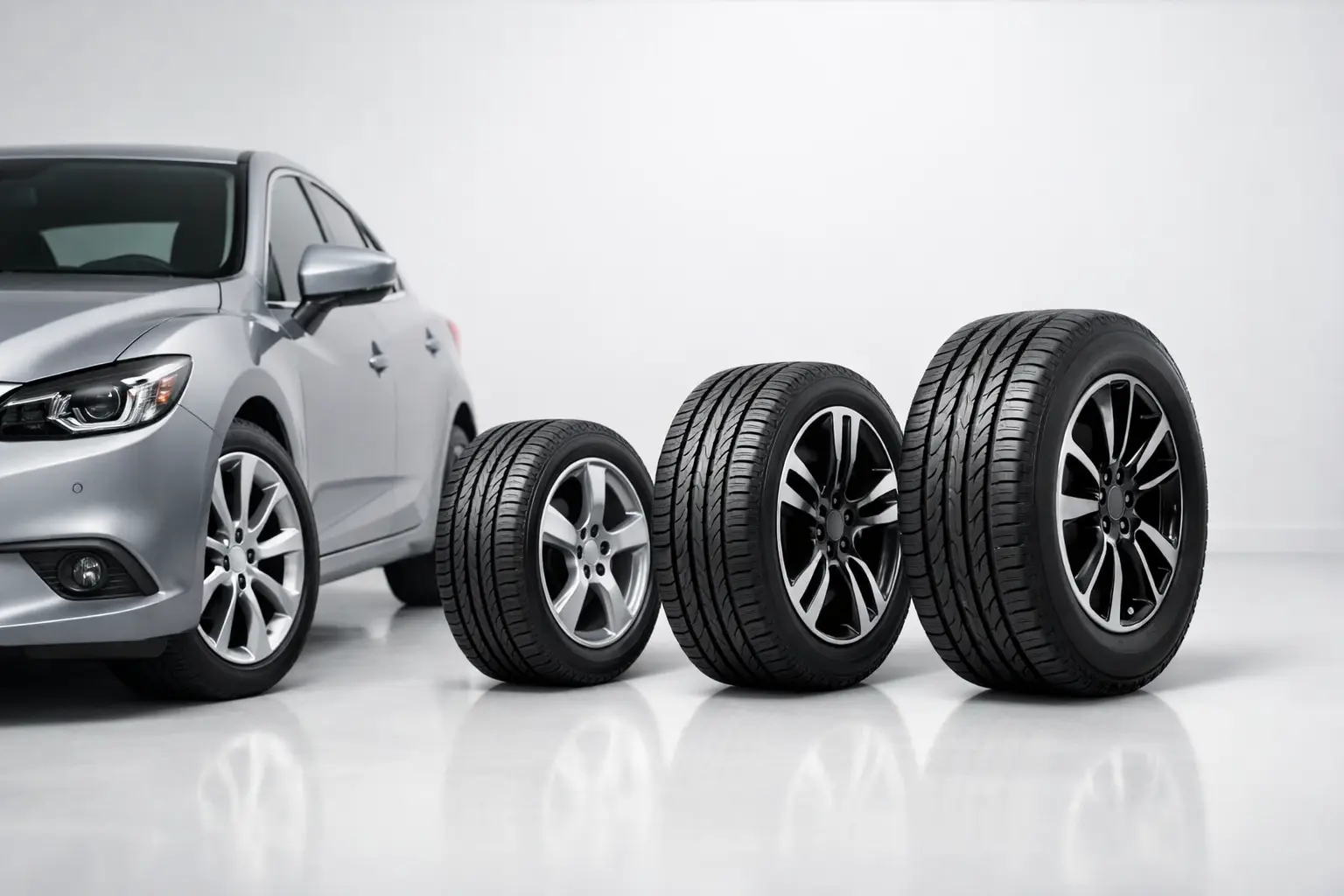
A tire that looks right is not always a tire that fits right. The wrong size can affect braking, steering, fuel economy, ride comfort, and even whether the tire rubs against the suspension or wheel arch. If you are asking, which tyre size fits my car, the safest answer starts with your vehicle manufacturer’s approved specification – not the size that happens to be available or looks wider on another vehicle.
For most cars and SUVs, the correct size is easy to confirm once you know where to look and what the numbers mean. For commercial vehicles, forklifts, agricultural equipment, and off-road machinery, matching the full specification is even more critical because load capacity and operating conditions are part of the fitment decision.
Start With Your Vehicle’s Approved Tire Size
Your current tire sidewall is often the quickest place to check, but it should not be your only reference. Tires may have been changed by a previous owner, fitted incorrectly during an earlier replacement, or replaced with an alternative size.
The most reliable sources are the tire placard on the driver’s door jamb, the fuel-filler flap on some vehicles, the owner’s manual, or the vehicle manufacturer’s specifications. The placard may show more than one approved size, especially on SUVs and vehicles with different wheel options. It also lists the recommended inflation pressure, which can differ between normal driving and a fully loaded vehicle.
If the sidewall and vehicle placard do not match, follow the manufacturer’s approved size until a tire professional confirms that an authorized alternative is suitable. A correct fit includes more than diameter. The tire must also meet the required load index, speed rating, construction type, and clearance requirements.
How to Read a Tire Size Marking
A common passenger-car tire marking looks like this: 225/55R17 97V. Each part tells you something important about the tire.
225 is the tire width in millimeters. In this example, the tire is approximately 225 mm wide from sidewall to sidewall when fitted to the correct wheel width.
55 is the aspect ratio. It means the sidewall height is 55% of the tire width. A lower number usually gives a shorter sidewall and a more responsive steering feel, while a higher number generally provides more cushioning over rough roads.
R means radial construction, the standard design for most modern passenger, SUV, and light-truck tires.
17 is the wheel diameter in inches. A 17-inch tire must be fitted to a 17-inch wheel. This is non-negotiable.
97 is the load index. It identifies the maximum load the tire can carry at its specified pressure. It is not a measurement in pounds or kilograms, so it must be checked against the vehicle requirement.
V is the speed rating. It shows the tire’s tested speed capability under controlled conditions. It does not mean the driver should travel at that speed. It is a performance and heat-resistance rating that should meet or exceed the vehicle requirement.
Some tires also include markings such as XL for Extra Load, LT for Light Truck, C for commercial construction, or symbols for mud-and-snow and severe snow service. These markings matter when you drive a heavily loaded SUV, operate a delivery vehicle, or use equipment in demanding conditions.
Why the Same Wheel Can Accept Different Tire Sizes
Some vehicles are approved for more than one tire size because they are sold with different wheel packages. A car may be designed for 16-inch wheels with taller sidewalls or 18-inch wheels with lower-profile tires. Both can be correct when they are manufacturer-approved.
This is often called plus-sizing or minus-sizing. For example, moving to a larger wheel normally requires a lower-profile tire to keep the overall rolling diameter close to the original. If the diameter changes too much, the speedometer, odometer, transmission behavior, and driver-assistance systems may not operate as intended.
A wider tire can offer a larger contact patch and potentially sharper dry-road handling. The trade-off may be more road noise, a firmer ride, higher fuel use, increased risk of wheel damage from potholes, and reduced performance in standing water if the tread design is not suitable. Bigger is not automatically better.
Check These Four Fitment Details Before Buying
The tire size is only one part of a safe replacement. Before ordering or fitting, make sure these four details match your vehicle and use.
- Load index: A tire must carry the vehicle’s weight, passengers, cargo, and any expected working load. This is especially important for pickups, vans, buses, and commercial fleets.
- Speed rating: Use the manufacturer’s required rating or a higher compatible rating. Do not reduce it simply to save money.
- Wheel width and clearance: A tire can only perform correctly on an approved wheel-width range. It also needs enough clearance from suspension parts, brake components, and bodywork during turns and full suspension movement.
- Front and rear fitment: Some performance cars and SUVs use staggered sizes, with wider rear tires than front tires. Do not assume all four tires are the same size.
For commercial, industrial, and off-the-road applications, add ply rating or load range, overall diameter, rim type, tread pattern, and service environment to the check. A forklift tire, for example, is selected differently from a road-going light-truck tire. Solid tires, pneumatic tires, foam-filled tires, and port-service tires have distinct operating requirements.
Can You Change to a Different Tire Size?
You can sometimes change tire size, but only within a properly calculated and vehicle-compatible range. The replacement should keep the overall diameter close to the original, fit the wheel correctly, maintain clearance, and satisfy load and speed requirements.
Avoid choosing a different size based only on price or appearance. A tire that is too tall may rub when the steering is at full lock or when the vehicle is loaded. A tire that is too short changes ground clearance and can make the speedometer read inaccurately. A tire that is too wide may contact the suspension, extend beyond the wheel arch, or alter steering effort.
For SUVs used on mixed road and desert terrain, the right choice depends on how the vehicle is actually driven. An all-terrain tire may suit regular off-road use, while a highway-terrain tire may be quieter and more economical for daily commuting. The correct size still comes first. Tread type is the next decision.
Do Not Mix Sizes or Tire Types Without Advice
Replacing one damaged tire can be straightforward when the remaining tires have similar wear and the same specification. But mixing different sizes, tread patterns, or construction types across the same axle can affect grip and stability.
All-wheel-drive vehicles require extra care. Differences in tire circumference can place unnecessary strain on the drivetrain, even when the printed size appears the same. If one tire is significantly more worn than the others, ask a tire specialist whether replacing a pair or all four tires is the safer choice.
For passenger vehicles, matching tires across an axle is standard practice. For fleet and commercial applications, tire matching should also account for axle position, retread policy, load distribution, and expected mileage. The lowest purchase price is rarely the lowest operating cost if it leads to uneven wear or unplanned downtime.
When the Sidewall Is Hard to Read
Sidewall markings can fade, become dirty, or be difficult to access on dual-wheel and industrial applications. In that case, have the vehicle details ready: make, model, year, trim level, wheel diameter, and current tire markings if available. A photo of the door placard or tire sidewall is often enough for an experienced fitter to identify the correct specification.
Abrar Tyres can help confirm fitment for passenger cars, SUVs, light trucks, commercial fleets, forklifts, and specialist equipment, then provide professional fitting, balancing, alignment, rotation, and other essential tire services. This matters because even the right tire will not deliver its intended performance if it is fitted or inflated incorrectly.
Fit the Size That Keeps Your Vehicle Working Properly
Your vehicle was engineered around a specific tire diameter, load capacity, and handling balance. Start with the manufacturer’s placard, read the sidewall carefully, and verify the full specification before purchasing. If there is any uncertainty, let a qualified tire professional check the vehicle before fitting – it is a small step that protects safety, comfort, and the life of your tires.